

Get ready for dividend tax changes and be ahead of the game
If you freelance through your own limited company, dividends are often the most flexible way to pay yourself. They let you take money out of the business without the rigid payroll structure of a salary and they allow you to pay yourself in a way that reflects the profitability of your company. If you have a great year, you can reward yourself. If you have a less than spectacular year, then you might even choose not to take dividends at all.
For years they’ve been seen as a tax‑efficient option. But the latest UK Government Budget on 26 November 2025 has changed the landscape yet again, and you need to be ready for what’s coming.
Before we look at this in more detail, I’d like to make you an offer.
Until 31 December 2025, I’m offering a permanent—yes, permanent—discount of 25% off a paid subscription to The Practical Freelancer. That makes a paid subscription only £3 per month! But hurry, it’s for a limited time only. Just click the button below.
Paid subscribers get full access to all the practical advice I offer through paid-only posts and my archive, and can participate in community discussions and chat, so you can ask the questions that matter most to you and get the benefit of direct contact with me and my decade and a half of freelance experience. You’ll also be the first to get access to the upcoming paid-only posts on ‘LinkedIn for Freelancers’, coming out in January 2026.
What’s changing in April 2026?
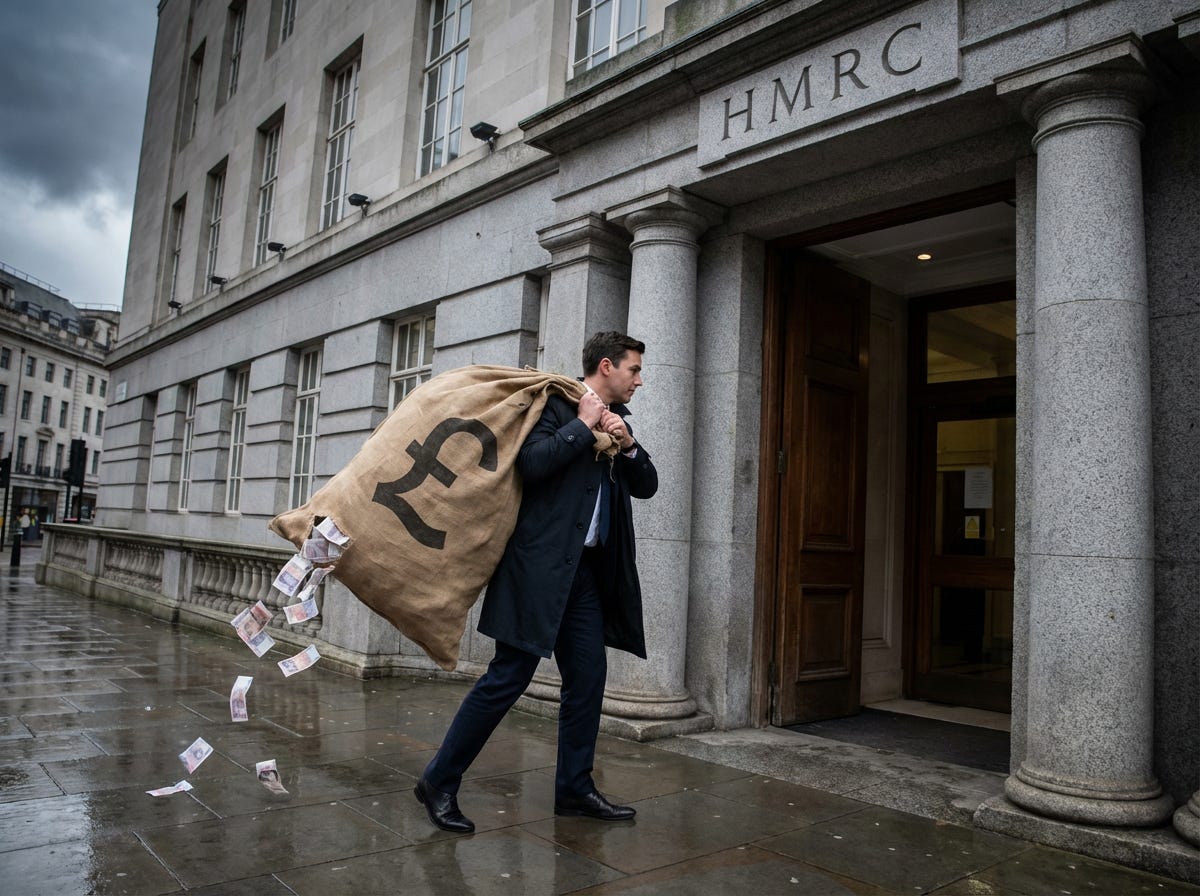
From April 2026, the dividend tax rates are going up. The basic rate you pay on any dividends you choose to pay will rise from 8.75% to 10.75%, and the higher rate will move from 33.75% to 35.75%. The additional rate stays at 39.35%, and the dividend allowance remains frozen at a paltry £500. I can still recall when there was no allowance on dividends. On paper, these might look like small percentage changes, but in practice they mean more of your hard‑earned profits will be taken by HMRC.
Note: The higher rate dividend tax applies when your total taxable income (including salary, dividends, and other income) falls between £50,271 and £125,140 in the 2025/26 tax year. At this level, dividends are taxed at 33.75%, rising to 35.75% from April 2026.
Why this feels like double taxation
Here’s the part that stings. Dividends can only be paid out of profits that have already been taxed through Corporation Tax. That means your company pays Corporation Tax first, and then when you take those profits as dividends, you’re taxed again personally. It’s a two‑stage hit. The business pays and then you pay. The rise in dividend tax rates makes that double taxation even heavier, and it chips away at one of the few remaining advantages of running your business through a limited company.
How this affects you as a director
If you’re a freelancer, contractor, or small business director, this change directly impacts your take‑home income. The gap between salary and dividend taxation has been narrowing for years, and this latest increase pushes them closer still. You may find that the old strategy of keeping your salary low and relying on dividends is less effective than it used to be. You’ll need to think carefully about how you structure your pay, especially if you’re in the higher rate bracket. Talk to your accountant—they’re always the best first stop for advice on decisions like this.
Planning ahead
You do have a short window before the new rates kick in. Some directors will choose to accelerate dividend payments before April 2026 to lock in the current lower rates. Others may look at adjusting the balance between salary and dividends, or exploring different investment structures to protect income. Whatever route you decide to take, the key is to plan rather than react. Again, talk to your accountant.
The bigger picture
The government has made it clear that it wants to raise more revenue from wealth and investment income. For small business owners, that means the tax environment is becoming tougher, not easier. You’re being asked to contribute more, even though you’re already paying Corporation Tax before you can take a penny in dividends.
Alternatively, you can support me here…